
07 Ardèche
-

Maps of the Ardèche Gorges and the Pont d’Arc
From the Ardèche Gorges to the Pont d’Arc, these maps will help you gain a better understanding of this spectacular region and plan your exploration. Here you’ll find the key landmarks to help you explore the gorges – on foot, by canoe or by car – between the Cévennes, the Bas-Vivarais and the Gates of…
-
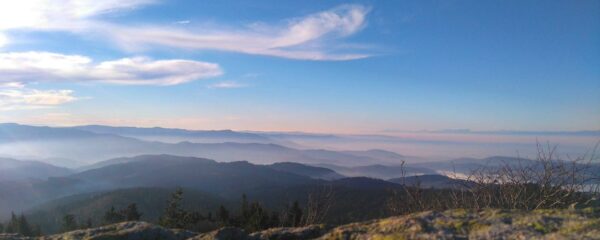
Sensitive Natural Areas in the Ardèche (ENS)
The Ardèche department is brimming with a wide variety of natural areas and majestic landscapes.Amongst those identified, sensitive natural areas are a collection of protected sites worth exploring to gain a better understanding of the environment around us, appreciate its diversity or simply admire the scenery.
-
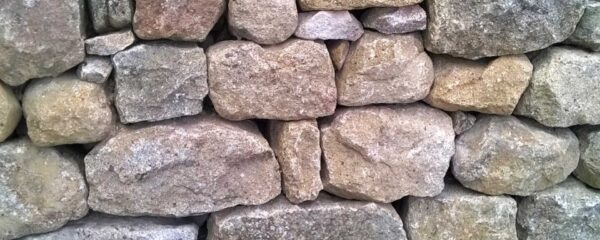
Dry-stone walls, Ardèche and Cévennes
Drystone walls are an age-old tradition and a heritage craft that continue to be used as a land-management solution in harmony with nature, particularly in the Cévennes and the Ardèche. Here is a collection of documents on the subject gathered from across the web.
-
![Dolce Via in the Ardèche [Map]](https://ardeche.one/wp-content/uploads/sites/3/itineraire-venir-en-ardeche-1920-600x240.jpg)
Dolce Via in the Ardèche [Map]
The Dolce Via Greenway La Dolce Via, stage by stage along the Eyrieux Valley in central Ardèche. From La Voulte to Le Cheylard, a closer look at the different stages of the greenway: La Voulte-sur-Rhône Situated along the RD86 departmental road and theRiver Rhône, the tourist office is the starting point for this walk. From…
-
![Via Ardèche [ Map ]](https://ardeche.one/wp-content/uploads/sites/3/via-ardeche-panneau-1920-600x240.jpg)
Via Ardèche [ Map ]
Via Ardèche The Via Ardèche is a greenway stretching over 80 kilometres, built on former railway lines in the south of the Ardèche, linking Lalevade-d’Ardèche to Grospierres and continuing to the edge of the Gard region at Saint-Paul-de-Jeune and Le Teil in the Rhône Valley. This route largely follows the River Ardèche and includes sections…
-
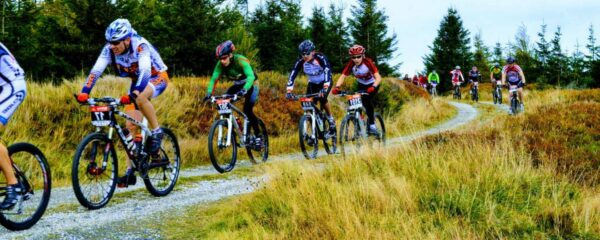
The Great Ardèche Mountain Bike Crossing: an exceptional route through mountains, plateaus and gorges
Running from north to south, the Grande Traversée de l’Ardèche mountain bike route is one of the most beautiful long-distance routes in the department. It links mountains, plateaus, forests, villages and gorges along a challenging route, though one that is accessible to fit mountain bikers and well-organised touring cyclists.
-

On the roads of the Ardéchoise, cycling all year round
Over the years, the Ardéchoise has becomethe premiercycling event in the department and far beyond! Join us for a bike ride along the roads of the Ardèche.
-

When the Ardèche was known as the Pays du Vivarais and the Sources de la Loire
During the French Revolution, the department changed its name three times before becoming the Ardèche, named after the largest river that flows through it. A brief history of how the region came to be known by its current name.
-

Where can you find local produce in the Ardèche?
Would you like to buy local produce in the Ardèche, eat quality food and contribute to the development of local agriculture? Here’s a map of the department’s producers and sales outlets, initiated by COVID and subsequently extended.