
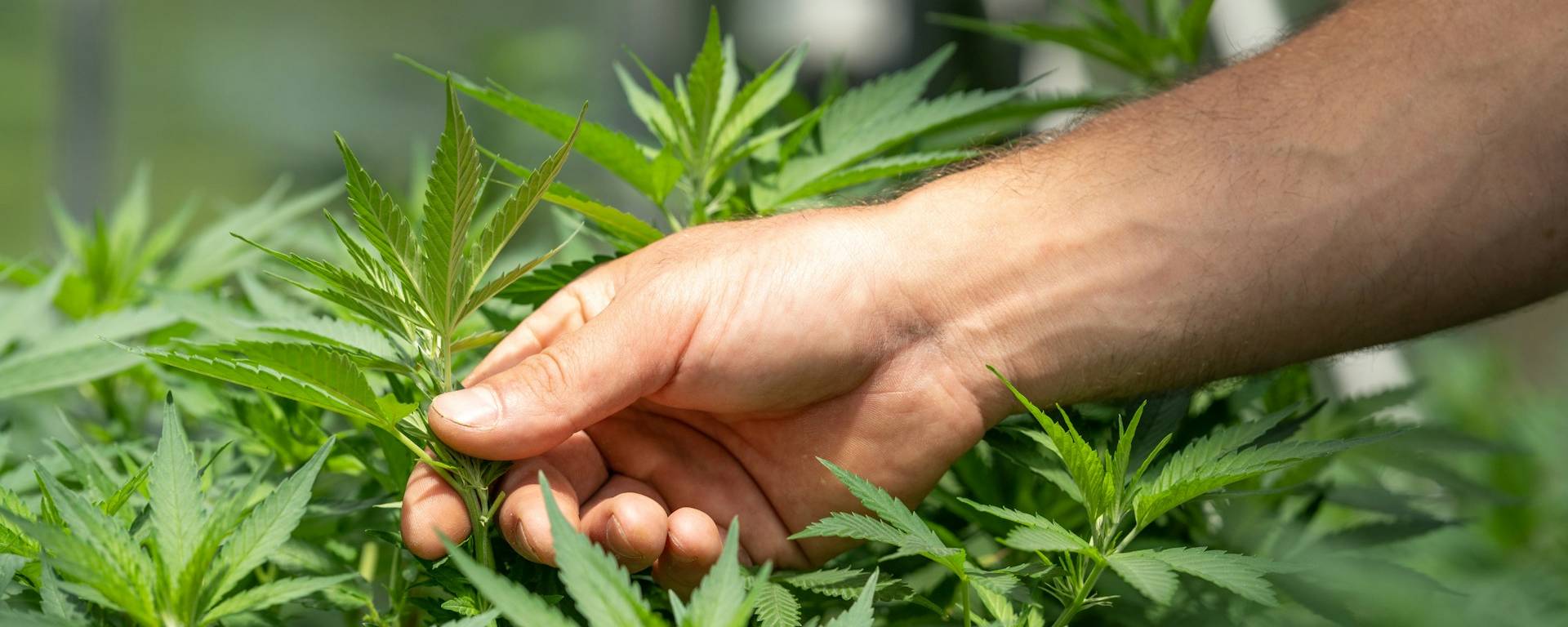
In Valvignères, in the southern Ardèche, Maxime Crozier is carrying on a family tradition by growing organic hemp and CBD flowers. Find out more about this small-scale operation, its product range and the legal framework in France.

ValviChanvre: a family-run farm in Valvignères (Ardèche)
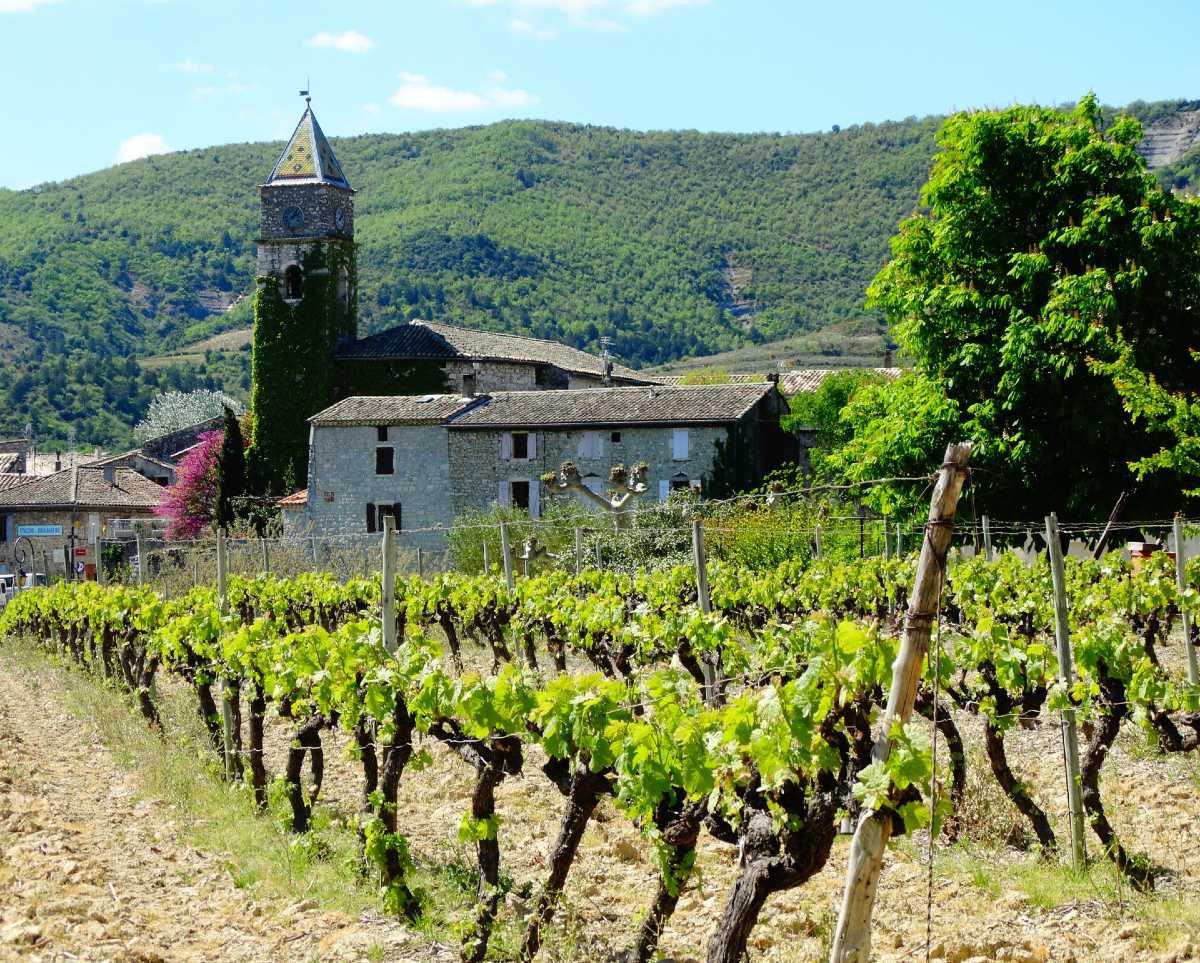
One must look back to the ‘Danaids’ of the Roman era to trace the origins of Valvignères, the ‘Vallis Vinaria’ that stretches from the gates of Alba to the Col de la Fare*. It is here in southern Ardèche, in this unique terroir that has been prized since time immemorial, that Maxime cultivates ValviChanvre’s organic hemp.
As well as the vineyards, which characterise the agricultural landscape, other traditional and more recent crops are scattered throughout the Ricolet and Dardaillon valleys, the two main streams. The Crozier family has been farming here for three generations, growing the fruit and cereals of yesteryear, grapes today, and, for the past few years, organically grown hemp.
Maxime manages the estate with his team of seasonal farm workers, and is also involved in the local wine-growing community as a director of the Alba and Valvignères cooperative winery. He is also an active member of the French Association of Cannabinoid Producers (AFPC*).
Deeply rooted in the local area and the changing seasons and weather conditions, it was in 2021, following a spell of frost and hail, that he decided to diversify his range with legal CBD hemp derived from organic hemp flowers. The organic certification, monitored by ECOCERT, is also a mark of progress in cultivation techniques, respect for the environment and the final quality of the flowers.
Organic hemp cultivation: life cycle, soil and methods
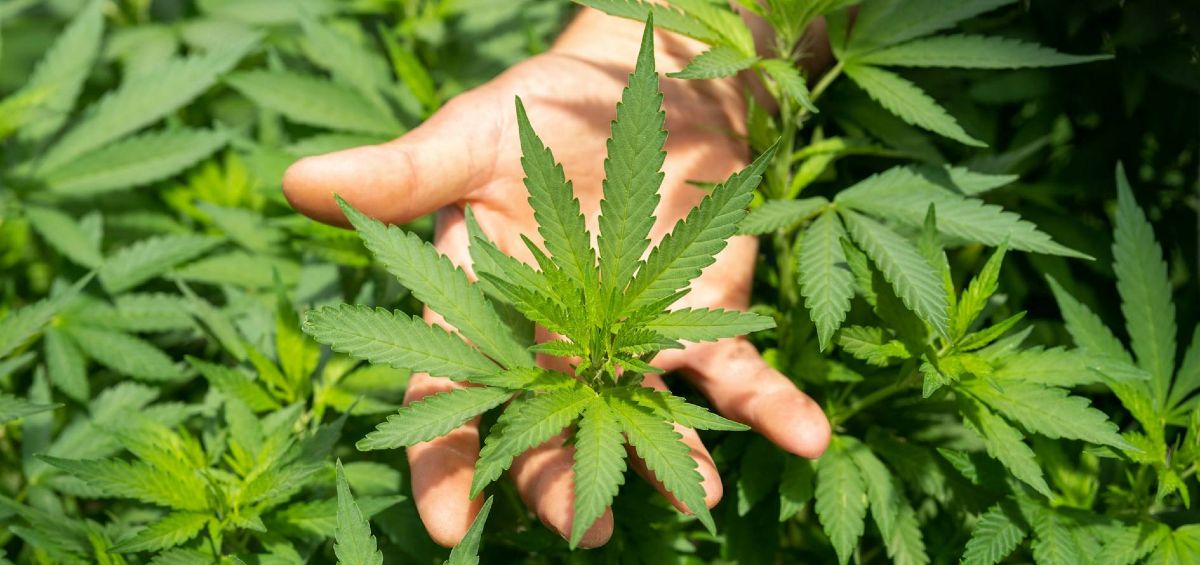
Production is deliberately modest. Less than 1,000m² of open-air land yields 250 to 300 plants harvested each year, under the sun of the southern Ardèche, between the Cévennes and the Bas-Vivrais. To date, CBD accounts for a minimal proportion of the farm’s income, but the work is there, as with any living, agricultural product.
From certified seeds listed in the official catalogue to the dispatch by post of an online order, Maxime is gaining a deeper understanding of the entire production cycle as the seasons and natural cycles unfold.
Once the seeds have arrived on their land, germination and the first shoots take shape in pots, sheltered from the vagaries of the weather. Once they are robust enough – and if the weather permits – the hemp plants are transplanted into the open ground to see out the spring, feeding off the summer until they reach maturity in the autumn.
Once the grape harvest is over, it is time to harvest the organic hemp in Valvignères, with the occasional help of my father and father-in-law, who join in this unique process: cutting, sorting, stripping the leaves and placing the hemp in the temperature-controlled drying room. The drying process then begins. Next comes the final touch: trimming the buds to achieve a balanced end result, striking a balance between respecting the raw product and ensuring ease of consumption.
ValviChanvre products: CBD flowers and oil extracts
Sales evolve over time and in line with the resources allocated: expanding the sales network through farmers’ shops and retailers, meeting the market’s demand for specific varieties, and offering a 24-hour online service are particularly relevant issues at present. This requires time, energy and hard cash.
Locally, Maxime supplies a white-label wholesaler and stocks a CBD shop in the Aubenas area. Online, with delivery throughout France, he has been offering his range of strains via an e-commerce website since last winter.
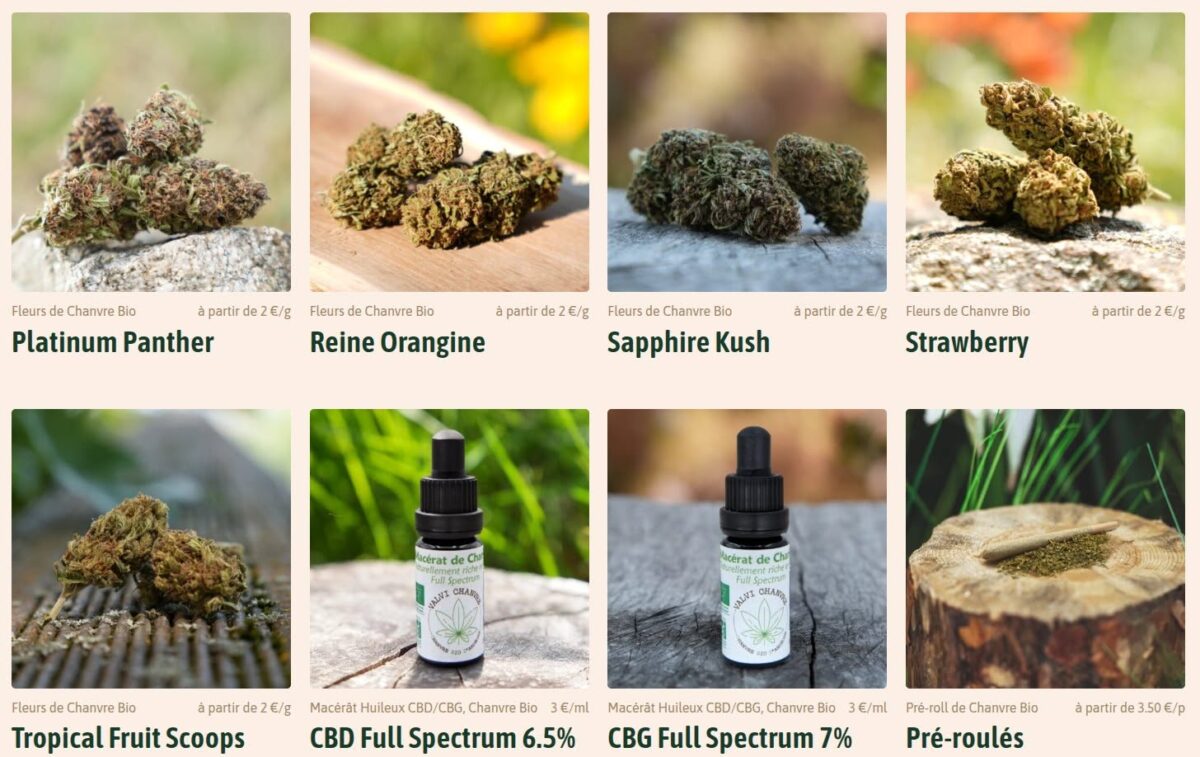
Two types of organic hemp products are available from the ValviChanvre online CBD shop:
- CBD cannabis flowers, intended to be smoked or inhaled using a vapouriser,
- CBD/CBG oil extracts for sublingual use.
- Go directly to the shop:
CBD in France: what is legal in 2026 (flowers, resins, Novel Food)
In France, cannabis has been banned since 1916. In the midst of the First World War, hashish – deemed to be demoralising for soldiers – led to tighter restrictions under the Poisonous Substances Act *.
Consumption, possession and purchase were subsequently banned throughout the country.
In 1970, the adoption of the law on combating drug addiction – which is still in force today – classified THC-containing cannabis alongside so-called ‘hard’ drugs.
In 2022, the Council of State confirmed the legality of CBD flowers containing less than 0.3 per cent THC.
In May 2026, new bans will apply to CBD-based food products (enriched oils, herbal teas, sweets, capsules) in the absence of a European Novel Food authorisation*.
The following are not affected and are therefore legal: hemp flowers and resins, cosmetics, e-liquids, seeds and non-CBD-enriched hemp oil for food use containing less than 0.3% THC, which are subject to separate regulations.
In everyday life, users should take particular care when driving after consuming CBD: if stopped for a saliva test, it is possible that you may test positive despite the low level of THC. Only a blood test would confirm that your THC level is below the legal limit *.
In 2025, the turnover of the CBD sector in France, as estimated by the AFPC, the French Association of Cannabinoid Producers, is estimated at 850 million euros, with 1,200 farms growing CBD hemp and around 35,000 direct and indirect jobs.
- Visit the village of Valvignères in southern Ardèche
- Discover Valvignères, Ardèche’s Heritage ↗
- How and why was cannabis banned? Seen this before ↗
- The decriminalisation of cannabis use, Senate ↗
- Novel foods: definition and authorisation procedure, Ministry of Agriculture ↗
- AFPC, French Association of Cannabinoid Producers ↗
- Press and web round-up, Valvichanvre ↗